
Long-range Wi-Fi links
Sites with several buildings or long distances between the Starlink dish and where connectivity is needed.
Link separate buildings or distant parts of a site to your Starlink connection using planned wireless or wired long-run links.

Overview
Plan for the actual environment
Some sites are simply spread out: a main office and a warehouse across a yard, a school with several blocks, an estate gatehouse, a farm with outbuildings. Ordinary indoor Wi-Fi does not stretch that far, so the answer is a purpose-built link. Longer links are possible when line of sight and radio planning allow. Trees, buildings, ground clearance, and local radio interference all affect what can be done, so the first step is always a look at the path between the two points. Depending on the site, the link may be a pair of directional outdoor radios, or a cable run with suitable outdoor-rated cable and protection. We tell you honestly whether a path looks workable, and we do not quote a distance or throughput until the route has been checked. Any distance figures on equipment datasheets are best-case, not a promise for your site.
Local mounting, access, and weather notes are published for confirmed service areas across Nigeria.
Fit and scope
Who this is for
- Compounds with separate blocks, warehouses, or outbuildings
- Schools, clinics, and farms with spread-out structures
- Properties where trenching cable is costly but radio line of sight exists
- Sites that need a stable point-to-point link rather than extra indoor Wi-Fi
What the service covers
- Path review between the Starlink location and each destination
- Advice on wireless versus wired for the route
- Mounting and alignment of outdoor radios, or cable run planning where wired
- Configuration of the link and a throughput check once live
Requirements and boundaries
What we typically need from you
- Access to both ends of each link and to any pole, mast, or roof position
- Power at each end, ideally with some backup
- Landlord or neighbour consent where the path or mounting crosses other property
Important limits
- No guaranteed distance, speed, or SLA; results depend on line of sight, radio conditions, and equipment
- Radio links need clear paths; trees and buildings can rule a route out
- Masts or poles, civil work, and trenching are separate from the link itself unless scoped
- Link throughput can never exceed the Starlink connection feeding it
How it usually works
The final sequence is agreed around the site, access, equipment, and service scope.
- 1
Share the layout of the site and the distance between points
- 2
We assess line of sight, obstructions, and the choice between wireless and cable
- 3
Agree the link design, equipment, and any mounting works
- 4
Install, align, and test at both ends, then document the setup
Related products
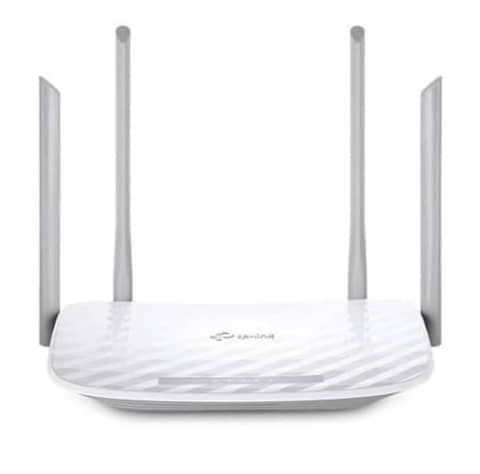
Wireless Long-Range WiFi Mesh / Repeater Router
View product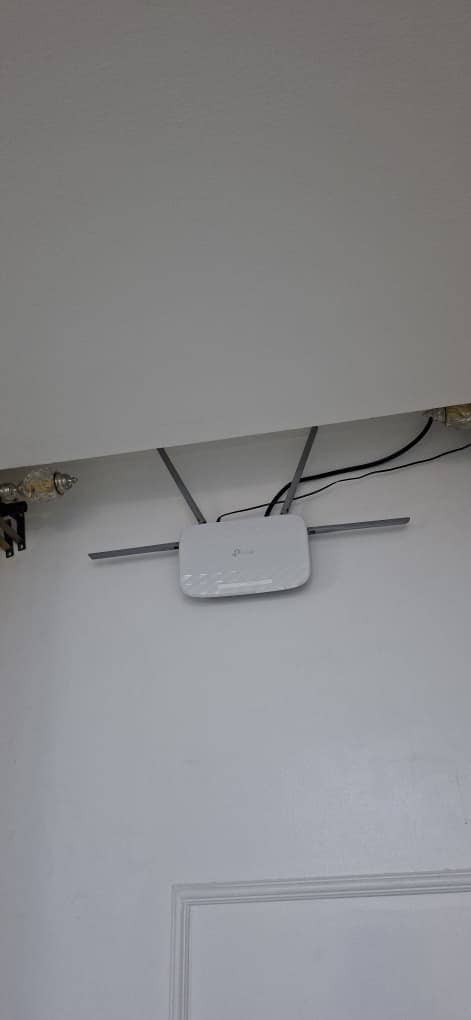
Wired Long-Range WiFi Mesh / Repeater Router
View product


Questions about this service
How far can a link go?
Longer links are possible when line of sight and radio planning allow, but the real distance depends on your site. We confirm it after looking at the path, not before.
Wireless or cable?
Cable is usually steadier when a safe route exists. Wireless saves trenching when there is a clear line of sight. We compare both for your site.
Talk through long-range wi-fi links
Contact Skylink with the location, equipment, and requirement for long-range wi-fi links. Online form submission remains unavailable until delivery is configured.